Alzheimer’s Disease
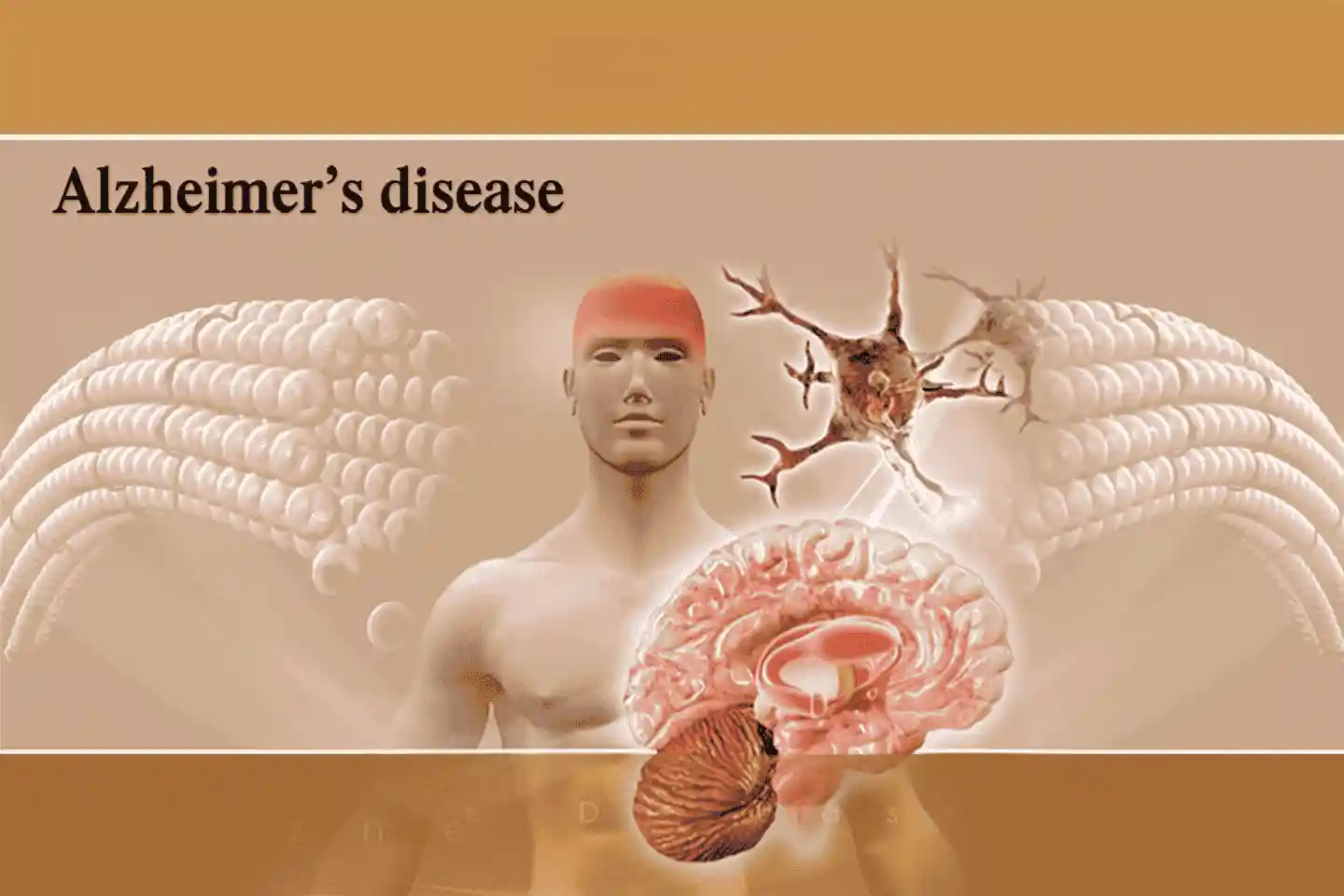
Alzheimer’s disease is a progressive neurological disorder in which the brain cells degenerate and die, causing memory loss and cognitive decline. It is the most common cause of dementia in older
adults.
The key features of Alzheimer’s disease include:
-
Amyloid plaques: Abnormal clusters of proteins called amyloid plaques build up in the brain. These plaques are made up of amyloid-beta peptides and are a hallmark feature of
Alzheimer’s.
-
Tau tangles: Fibers called tau tangles develop within neurons in the brain. These tangles are made up of a protein called tau that accumulates in a twisted form. Tau tangles
interfere with the transport of nutrients and essential molecules inside neurons.
-
Neuron death: As the disease progresses, the amyloid plaques and tau tangles spread through the brain, leading to increasing number of neurons dying and connections between
neurons being lost. This causes the brain tissue to shrink significantly.
-
Memory and thinking problems: As more neurons die, people experience greater memory loss and cognitive difficulties. Problems with memory, planning, judgment, and decision
making worsen over time.
-
Other symptoms: In addition to memory and cognitive problems, people with Alzheimer's may experience mood and behavior changes, difficulty communicating, and problems with
visual perception. Physical symptoms such as problems walking or swallowing may also develop in the later stages.
The exact cause of Alzheimer's disease is unknown. Age and genetics are significant risk factors, with most people developing the disease after age 65. The diagnosis is usually made through a
combination of physical exams, laboratory and imaging tests, as well as by ruling out other potential causes of dementia. Unfortunately, there is no known cure for Alzheimer's, but some treatments
can help slow the worsening of symptoms for a limited time. The disease ultimately leads to severe impairment and death. Supportive care and management of symptoms are also critically important.
Topic Highlights:-
- Alzheimer’s disease is a progressive neurodegenerative disease.
- It is characterized by gradual loss of memory, learning ability, communication and judgement.
- Loss of cognitive functions makes a patient completely dependent on caregivers for daily activities.
-
This presentation describes the anatomy and function of the brain with respect to the disease. It describes in detail the types, symptoms, diagnosis and treatment for Alzheimer’s disease.
- The presentation also lists guidelines for patient care and caregivers to cope with the stress of providing constant care.
Transcript:-
Alzheimer’s disease is a serious health problem characterized by gradual loss of memory and cognitive functions. This presentation on Alzheimer's disease describes the anatomy and function of the
brain with respect to the disease.
It describes in detail the types, diagnostic procedures and treatment options available. It also lists the guidelines for patient care, caretakers and also for those who are coping with the disease.
The human brain is made up of three parts, the brain stem, cerebrum and cerebellum. The cerebrum is divided into the frontal, parietal, temporal and occipital lobes. The frontal lobes control skilled
movements, problem solving and abstract thinking abilities. The temporal lobes control language, memory and hearing abilities. The parietal lobes control sensory abilities like pain, touch and taste.
The occipital lobes control vision.
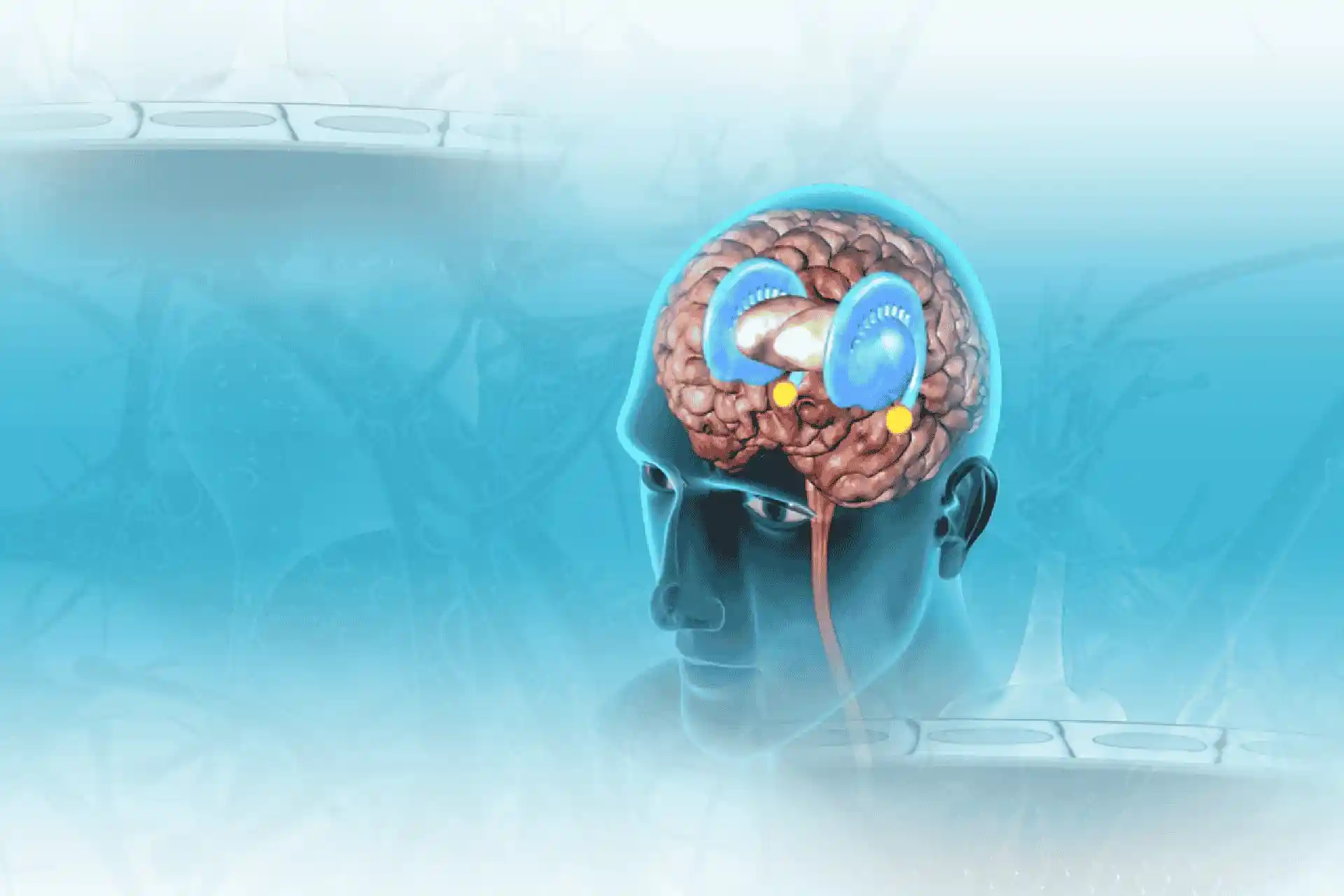
The brain also has the limbic system, involving the thalamus, the hypothalamus, the amygdala and the hippocampus.
The hypothalamus regulates the release of hormones in the body, the amygdala regulates the ‘fight or flight’ response and the hippocampus helps with memory.
Altogether, the brain cells control every aspect of our life from activities like walking and talking to thinking and feeling to having a unique personality.
The basic structural unit of the brain is the neuron. Neurons or brain cells conduct and transmit electrical signals. Millions of neurons are arranged end-to-end to form circuits in the brain. These
circuits control all types of activities of the body such as seeing, hearing or even eating and walking. These circuits also control our thoughts and emotions.
The area where two neurons interact is called a synapse. Electrical impulses generated within the neuronal cells jump across the synapse with the help of chemicals known as neurotransmitters. These
neurotransmitters allow the electrical impulses to jump from one neuron to another and hence complete the circuits.
Alzheimer’s disease first affects the hippocampus and then spreads to the frontal, parietal and temporal lobes of the cerebral cortex. It also spreads to the limbic system, which includes the
amygdala.
Alzheimer’s disease also affects an area called the basal nucleus of Meynert, which has neurons rich in the neurotransmitter acetylcholine. Alzheimer’s disease causes the destruction of the neurons in
all these areas.
The formation of neuritic plaques and neurofibrillary tangles are characteristic of Alzheimer’s disease. Studies of plaques and tangles in the brains of people with Alzheimer's have given rise to
various theories about plaques and tangles.
The amyloid beta precursor protein is a large molecule that continues through the membrane of nerve cells. The enzyme B-secretase, also known as beta-site APP-cleaving enzyme 1, cleaves a part of the
molecule on the outside of the cell membrane to form beta amyloid protein. Insoluble clumps of beta amyloid protein, known as amyloid or senile plaques, accumulate in the spaces between neurons.
The neurons contain shuttle vesicles containing neurotransmitters and synaptic proteins from cell bodies to nerve terminals. A protein tau stabilizes the shuttling structures. The tau becomes abnormal
and is unable to hold the structures together. These form neurofibrillary tangles within the neurons. The collapse of the transport system may disturb the communication between the neurons. These
tangles may cause neuronal death leading to dementia.
In the early stages of the disease, the temporal lobe and the hippocampus are affected, resulting in loss of short-term memory. Patients may experience memory lapses, and may forget familiar words,
names and the location of everyday objects. But these symptoms may not be apparent to friends and family and may not be evident during a medical examination.
This stage is followed by a mild decline in memory, which is often noticed by close family. This may be evident during a medical examination. The patient may find it difficult to remember some words
or names. Memory lapses begin to affect performance. The patient is unable to recollect a large part of what he read and tends to misplace things. He may find it difficult to plan and organize.
The disease progresses to a stage where a medical examination can diagnose deficits. Patients have decreased knowledge about current affairs and may find it difficult to do complex arithmetic. They
may also find it difficult to plan and manage their finances. They may also have diminished memory of the past. Patients may be passive and withdrawn.
In the middle stages of Alzheimer’s disease, the plaques spread to the frontal lobe. The beginning of the mid-stages is characterized by major gaps in memory and deficits in cognitive function emerge.
Those suffering need some assistance with daily activities.
At this stage, patients may be unable to remember important details, such as their address or telephone number. They may not remember the date or day of the week. They also tend to have problems with
simple arithmetic. They may need help choosing appropriate clothing.
Memory continues to deteriorate and personality changes become more significant. At this stage patients become dependant on others for daily chores. They may lose memory of recent events and may be
oblivious of their surroundings. Their normal sleep and wake cycle may be disturbed. They may even experience difficulty in remembering the names of well-known friends and family. They may also
experience urinary or fecal incontinence. They may become suspicious and suffer from delusions and hallucinations. They may also develop compulsive, repetitive behaviors. They tend to wander and
become lost.
During the end stage of Alzheimer’s, the neurofibrillary tangles increase in areas like the amygdala and the parietal lobes. Patients become totally bed-ridden and need constant care. They experience
a very severe decline in cognitive functions. They also lose their ability to speak or recognize speech and control movement. They need help with daily chores and may suffer from incontinence.
Patients lose their ability to walk without help. They gradually lose the ability to sit without support or hold their head up. The ability to respond deteriorates and muscular rigidity sets in. They
lose the ability to smile and swallowing becomes difficult.
The progress of the disease varies. For some people, it may take a decade to reach the final stages, where as for some it may take only 5 years. Most people with Alzheimer’s don’t die of the disease
itself, but of pneumonia, or a urinary tract infection or complications from a fall.
Nearly 6-8% of patients with Alzheimer’s develop symptoms before the age of 65. This form of dementia is called early-onset Alzheimer's and tends to run in families. The genetic path of inheritance is
much stronger in early-onset Alzheimer's. People with Down Syndrome are particularly at risk. They are often in their mid to late 40’s or early 50’s when symptoms first appear.
Late-onset Alzheimer's is most common and accounts for nearly 90% of cases. The disease usually occurs after age of 65. The condition may or may not be hereditary.
Familial Alzheimer's disease (FAD) is believed to be completely inherited. In affected families, members of at least two generations are found to have had Alzheimer's disease. This form of Alzheimer’s
is extremely rare, accounting for less than 1%. It has a much earlier onset, often affecting people in their 40s.
There is no definite diagnostic test for Alzheimer’s disease. Diagnosis based on symptoms is almost 90% accurate. Only a postmortem can confirm the diagnosis. Thus it is important to rule out other
conditions, such as brain tumors and depression, that have similar symptoms. People with Parkinson's disease also can develop dementia. Many older adults on multiple medications may suffer from
impaired memory.
Tests to rule out similar conditions include medical history, physical examination, blood and urine tests, X-rays, imaging techniques such as CT scan, neurological examination and neuropsychological
tests.
Intellectual function tests and psychiatric assessment are carried out to evaluate the mental status. This is done by administering simple tests to ascertain the ability of problem solving, language
skills, counting, mapping attention span etc.
There is no cure for Alzheimer’s disease. The available drugs aim to boost the efficiency of damaged neurons. Drugs can also relieve some of the secondary symptoms such as depression, sleeplessness
and agitation.
There are two classes of drugs that are aimed at reducing the cognitive decline. Cholinesterase inhibitors such as donepezil work by increasing the levels of neurotransmitters in the brain. Donepezil
is found to delay the onset in people with mild symptoms. Many people who take this drug may find no improvement. Possible side effects include diarrhea, nausea and vomiting.
Memantine is used to treat moderate to severe stages of Alzheimer's. The drug prevents damage to neurons from glutamate, a neurotransmitter. Memantine is sometimes used in combination with a
cholinesterase inhibitor. Possible side effects include dizziness. It may also increase agitation and delusions in some people.
Alzheimer’s patients exhibit behavioral abnormalities such as aggression, delusions and hallucinations. Anti-psychotic drugs such as olanzapine, quetiapine, haloperidol, risperidone are used to treat
these symptoms. Anxiolytic drugs such as lorazepam, oxazepam, zolpidem, buspirone will help relieve anxiety.
Antidepressants such as desimipramine, fluoxetine, paroxetine, sertraline, citalopram are prescribed if the patient shows signs of depression.
When patients wander and lose their way, a card detailing their name and contact telephone numbers should be kept in their pocket.
- Enhance communication with the person.
- Create a safe home environment.
- Encourage daily exercise.
- Manage health problems such as infections, loss of appetite, and any problems in movements of bowel and bladder.
- Provide social and psychological support.
Caring for a person with Alzheimer’s can be physically and emotionally challenging. Caregivers often experience feelings of anger, guilt and frustration. They may become socially isolated and
discouraged. Worry, grief and remaining aloof are common.
They are often exhausted by the need to provide constant attention, the physical demands of bathing, dressing and other care giving duties. One of the biggest challenges faced by caregivers is dealing
with the patient’s personality changes and difficult behaviors.
Spouses of those suffering from Alzheimer’s may find the adjustment of caring for them extremely challenging. It may be overwhelming for the husband or wife to make all the important decisions on his
or her own. The caregiver is forced to take up the tasks previously performed by the patient such as balancing the checkbook, doing the taxes, handling financial and legal matters, and doing household
chores.
The caregiver faces a range of challenges if their loved one’s abilities continue to deteriorate and new behavioral patterns emerge. Placing the patient in a nursing home can be another important
decision the family caregiver may have to make.
Caregivers should set realistic goals and take time off to engage in their favorite activities without feeling guilty. They should also seek the help and support of others and counseling if necessary.