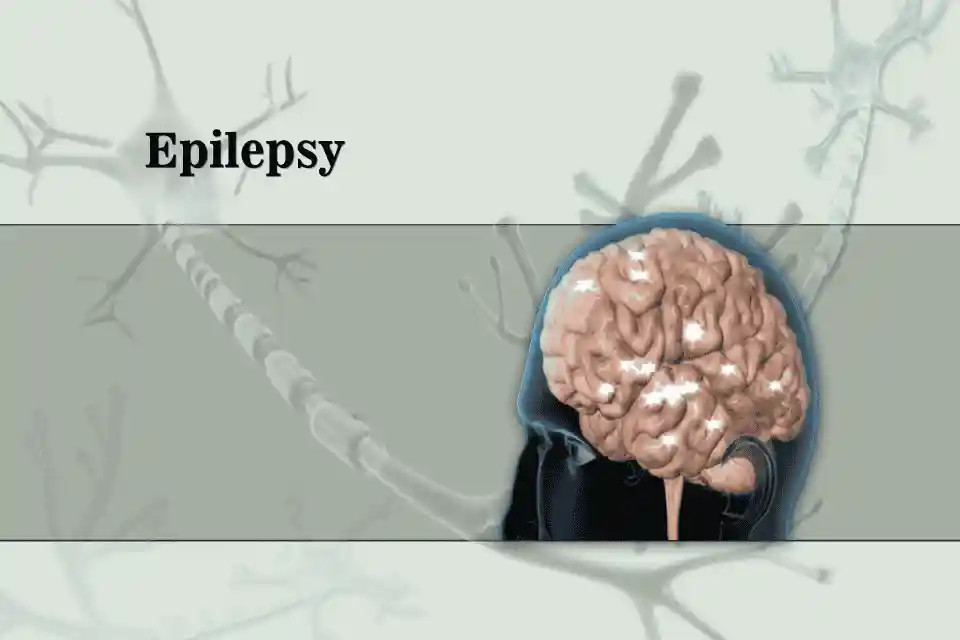
Epilepsy
Epilepsy is a neurological disorder characterized by seizures, which are sudden bursts of electrical activity in the brain that temporarily alter a person's awareness or movements. Epilepsy is one
of the most common neurological diseases, affecting over 50 million people worldwide.
Some key facts about epilepsy:
- Seizures: Epileptic seizures are caused by abnormal electrical activity in the brain. There are two main types of seizures:
- Generalized seizures: Involve the entire brain and can cause loss of consciousness and convulsions. Types include tonic-clonic seizures, absence seizures, etc.
-
Focal seizures: Involve specific areas of the brain and can cause involuntary movements, changes in awareness, deja vu, etc. Focal seizures may turn into generalized
seizures.
- Causes: The most common causes of epilepsy include:
- Brain injuries or trauma: Head injuries, strokes, tumors, infections, etc.
- Genetic conditions: Some epilepsy is due to inherited gene mutations or abnormalities.
- Developmental disorders: Problems during brain development before birth can lead to epilepsy.
- Unknown causes: For about half of epilepsy cases, no cause can be found. It could be due to a subtle brain abnormality not detectable with current technology.
-
Diagnosis: Epilepsy is diagnosed based on medical history, physical exam, imaging tests like EEG, MRI, CT scans to look for any brain abnormalities, and blood tests to check
for genetic or other disorders.
- Treatment: The main treatments for epilepsy are:
-
Anticonvulsant medications: Aim to prevent seizures from occurring. Many medications are available, and it may take trials of different drugs to find the most effective treatment with
minimal side effects.
- Surgery: For some people with focal seizures, surgical removal of the focal area in the brain where the seizures originate may cure the epilepsy.
- Lifestyle changes: Getting enough sleep, managing stress, limiting alcohol and avoiding triggers that provoke seizures can help with control and management.
-
Management: Epilepsy is usually a lifelong condition, so management focuses on seizure prevention, safety measures to avoid injury, and addressing any social or occupational
issues. With proper treatment, most people with epilepsy can control their seizures and have a good quality of life.
Topic Highlights:-
- Epilepsy is a chronic neurological condition characterized by repeated seizures.
- Abnormal, excessive or synchronous neuronal activity in the brain can cause episodes of disturbed brain function, resulting in seizures.
- This visual presentation focuses on epilepsy’s classification, causes, symptoms, diagnosis, and treatment.
Transcript:-
Epilepsy is the most common serious neurological condition, affecting millions of people of all ages and races. Despite advances in medical science there is still a negative stigma and fear associated
with epilepsy.
An epileptic seizure is an episodic disorder caused by a temporary brain dysfunction, which can result in a change in the individual’s behavior. The type of change in behavior depends on the type of
seizure. Behavioral changes range from simple staring and reduced responsiveness (absence seizure) to total body jerking and loss of consciousness (generalized tonic-clonic seizure.)
Epilepsy refers to a condition in which there are recurrent spontaneous seizures. Some individuals will have provoked seizure, i.e. the seizure occurs only under certain circumstances. For example,
some children have seizures with fever. Adults with diabetes may have seizures when their glucose levels drop. In both of these cases the seizures are provoked and the patient does not have epilepsy.
The normal brain function is disturbed in epilepsy, resulting in convulsions, involuntary muscle spasms, strange sensations, abnormal behavior and can eventually lead to loss of consciousness. The
type of symptoms the individual experiences depends on where the seizure begins and how it spreads in the brain. Different regions of the brain control different functions. Seizures disrupt the normal
function of the brain.
Epilepsy is classified into two major categories: Partial and generalized seizures. Partial seizures occur when there is an abnormal activity restricted to a localized area of the brain. This type of
seizure is usually associated with organic or structural abnormalities. Due to the nature of the problem and the area of the brain involved these seizures can cause unusual movements, sensations or
even behaviors unique to each person.
Primarily generalized seizures affect the brain and also the body. The person experiences loss of consciousness for a variable period of time. It may not be possible to pinpoint the exact location of
the origin of the seizure in the brain.
Not all seizures can be classified into the above categories. Unclassified seizures usually occur in infants and children. Neonatal seizures are difficult to classify. These seizures are episodic in
nature. And those who experience them have no problems between the attacks. But their seizure-free intervals can vary considerably. There are many causes (etiologies) of epilepsy.
Major causes of epilepsy include conditions such as penetrating head injuries, other head injuries, stroke, brain abscess, brain tumors, HIV infection, abnormalities in brain development, trauma
during childbirth, and metabolic abnormalities (such as diseases and transient ischemic attacks.)
In many cases of epilepsy an etiology cannot be identified. These cases are called idiopathic. The majority of idiopathic cases are presumed to have a genetic origin. Some medications such as
penicillin, beta-lactams and related groups of antibiotics, metronidazole, quinolones, isoniazid, phenothiazines, tricyclic antidepressants, chloroquine, mefloquine and cyclosporine may precipitate a
seizure. These drugs do not cause epilepsy. When the offending drug is removed the seizures cease.
A detailed medical history along with a thorough neurological examination goes a long way in establishing a diagnosis, since most of the tests performed are usually inconclusive. It’s important to
provide a doctor with a detailed description of the seizure including the events preceding and following it since most doctors seldom get to observe their patient during an actual episode.
Some of the tests performed to help in diagnosis include blood studies, electroencephalography, computerized axial tomography, CT scan or magnetic resonance imaging (MRI).
Electroencephalography or EEG is a test that measures electrical activity in various parts of the brain through electrodes or metal plates that are fixed to the scalp at various locations. EEG
readings help detect the type of seizure and whether they are epileptic. An EEG may also help distinguish if there is any other cause for abnormal brain waves, for instance tumors, infections,
degenerative diseases, head injuries and metabolic disturbances. Computerized tomography is a test in which cross-sectional images of the brain will be created using X-rays. CT scans differ from
regular X-rays because they allow a 3-dimensional image of the brain to be viewed on a computer screen. CT scan images will help identify any areas of structural or organic damage in the brain that
may be responsible for the seizures.
Magnetic resonance imaging or MRI is a test that creates 3-dimensional images of the brain using radio waves and magnetic fields. An MRI can also detect structural or organic defects in the brain.
Epilepsy is treated with a multi-pronged approach. It includes avoiding precipitating factors, treating the underlying cause, medications, surgery and addressing psychological and social issues
associated with the condition. Factors that precipitate seizures such as sleep deprivation, staring into flashing lights, etc. should be avoided. Patients and their family should be counseled and made
more aware of the disease.
Several medications are available and the doctor will choose the best one suited for your needs. An anti-epileptic drug (or AED) is usually prescribed.
Recent advances in surgery have developed new techniques for treating uncontrollable seizures. Nearly 20% of epilepsy patients cannot be treated by drugs alone. Surgery can be performed as an
alternative in these cases. The size and position of the epileptic foci or the area where the epilepsy is triggered in the brain differs. If the epileptic focus is operable, it can be removed by
surgery and seizures can be prevented. However, the success of the surgery depends on many factors and varies from patient to patient.
The seizure itself only lasts for a few minutes and may not require immediate medical attention, however, you have to keep in mind that the person having the seizure may not be aware of what is
happening and may not be able to hear you. If necessary, clear the floor of sharp or hot objects and make the person lie down to prevent injury.
Do not restrain someone who is having a seizure. This can aggravate the person. The person will not swallow his or her tongue; so do not try to force his or her mouth open. Doing so may break the
teeth or result in other severe oral injuries. Roll the person onto their side following the seizure. This helps the saliva to flow out of the mouth and thus clears the air passage. Clear the person’s
mouth with your finger if he/she has just vomited.
Any seizure that lasts longer than five minutes or that repeats successively without any recovery demands immediate medical attention. This may be rare but it is potentially very dangerous.